Roofing Rules in Minnesota: What Minneapolis, MN Homeowners Should Know
Most of Minnesota's roofing rules exist to protect the person who owns the home. This page sums up what a Minneapolis, MN homeowner should know before signing a roofing contract: who needs a state license, when a permit applies, which insurance offers are off limits and when you can cancel.
Prefer to talk? Call now(612) 555-0177Summary First
This is a summary of public law, not legal advice.
Verifying a Roofer
Minnesota requires anyone in the business of contracting with a homeowner for residential roofing to hold a Department of Labor and Industry (DLI) license as a residential roofer, remodeler or building contractor. With limited exceptions, mostly very small operators who hold a certificate of exemption, there is no way around it. Check any company on the DLI license lookup at dli.mn.gov, or call DLI at 651-284-5069.
DLI flags one common trick. A number that begins with the letters "IR" is a registration, not a license, and DLI says its holder is not a licensed contractor. Search the company's name, not just the number you were handed.
After the license, ask for these.
The license matters after the job as well. If a licensed contractor owes you money under a court judgment it can't pay, DLI's Contractor Recovery Fund may cover your out-of-pocket losses, up to $75,000 per claim and $550,000 per contractor. You must apply within two years of the judgment.
Why Deductible Deals Are Illegal
Minnesota has a law aimed at residential contractors on jobs an insurance claim pays for. The contractor may not advertise or promise to pay, waive or rebate any part of your deductible. It may not give you anything of value for allowing an inspection, filing a claim or sending other homeowners its way. And it may not interpret your policy or negotiate your claim unless it is licensed as a public adjuster.
A roofer can look at the roof, record the damage and put a price in writing. The claim itself stays between you and your insurer, or with a licensed public adjuster or attorney you hire. For insurance questions, the Minnesota Commerce Department is the agency to call.
The 72-Hour Rule
Some homeowners sign with a roofer before the insurer decides on the claim. If that contract is tied to the claim and the insurer then denies it, Minnesota lets you cancel within 72 hours after the insurer notifies you of the denial. Send the roofer written notice and keep a dated copy.
A separate right covers sales made at your home. When a seller comes to your house and closes the deal there, Minnesota's home solicitation law generally gives you until midnight of the third business day to cancel, also in writing. The cancellation notice in your paperwork should explain how.
Insurance Discounts for Stronger Roofs
Some insurers give a policy discount when a new roof uses impact-rated (Class 4) shingles. Each company sets its own terms, and nothing is promised. Before choosing a shingle, ask your agent whether a discount exists, what proof of the rating they want and whether any conditions come with it.
Your City's Requirements
The City of Minneapolis roofing handout says: "A building permit is required for all re-roofing work, except repairs involving less than one bundle of shingles." The handout dates from 2016, so confirm with the City. It calls for ice barrier from the eave to at least 24 inches inside the exterior wall line and allows new roofing over one existing layer only, so many older homes need a full tear-off. Owner-occupants may pull their own permit; a contractor needs a state license or a city specialty license. Call 311, or 612-673-3000 from outside the city.
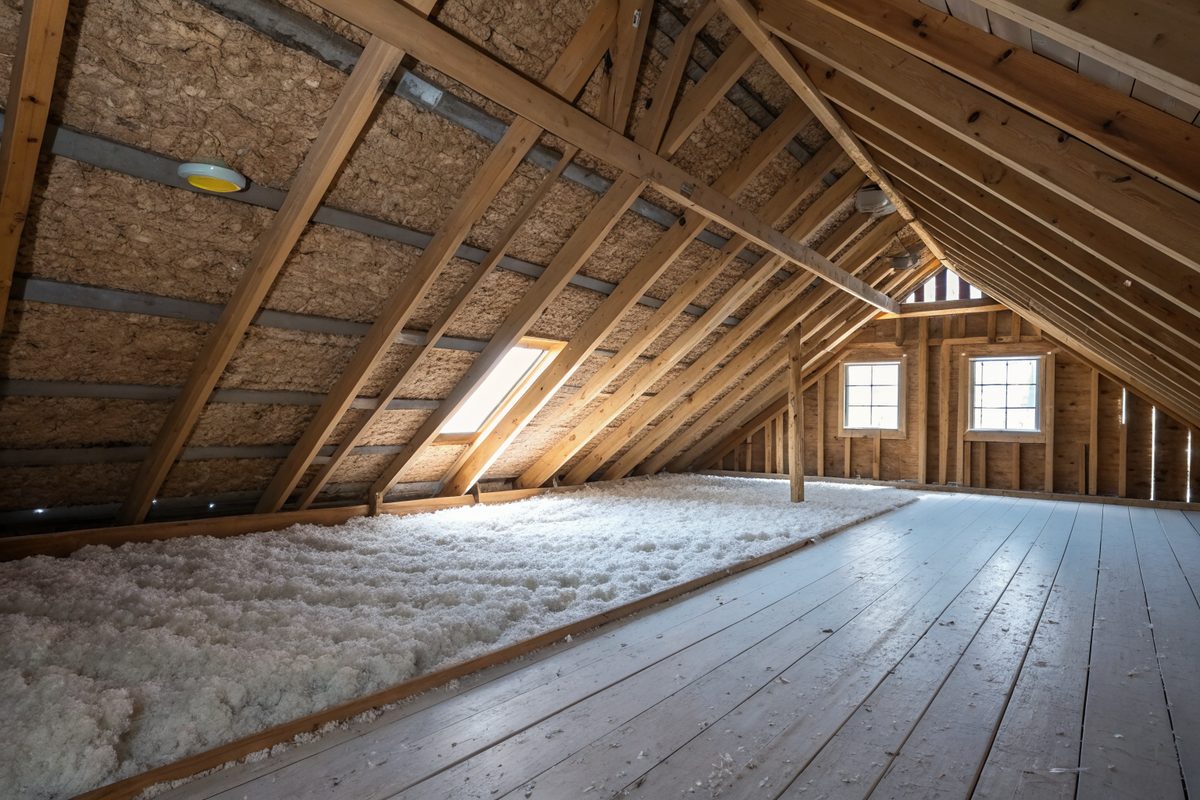
That 24-inch ice barrier is Minnesota's building code answer to ice dams, which can form when attic heat melts roof snow that refreezes at the cold eaves. Everywhere, the permit is pulled by a licensed contractor or the owner-occupant. Each suburb has its own building office and rules; none works under the City of Minneapolis.
Town pages: Blaine, MN, Maple Grove, MN, Eden Prairie, MN, Burnsville, MN and Woodbury, MN.
Legal Questions, Answered
Does this site check a roofer's license for me?
No. This site is a referral service, not a contractor, and it does not check, rank or rate roofers. Your request goes to one independent local roofer, and that roofing company pays this site for each referral; you never pay. Before you sign, look the company up yourself on the DLI license lookup at dli.mn.gov.
Where can I complain about a roofer?
Licensing problems, such as a company working without a license, go to DLI. Consumer complaints, such as a deal that felt deceptive, can go to the Minnesota Attorney General's office. Questions about your policy or how a claim was handled belong with the Minnesota Commerce Department. Gather your contract, receipts and photos before you file.
What if a roofer only gives me an "IR" number?
Treat it as a warning sign. DLI says a number that starts with "IR" is a registration and not a contractor license. Search the company's legal name on the DLI license lookup, and if no residential license or certificate of exemption shows up, ask the company to explain before going any further.
Sources
Each read on 2026-10-09.
Questions About the Rules?
This site can point to where the rules live, but it can't apply them to your situation; DLI and the Attorney General's office can. When you're ready to price a roof, request an estimate from a local roofer here. The roofer inspects the roof, writes the estimate and does any work.
For prices before you call, see the roof replacement cost guide.